Global energy tensions land on the doorstep of local democracy
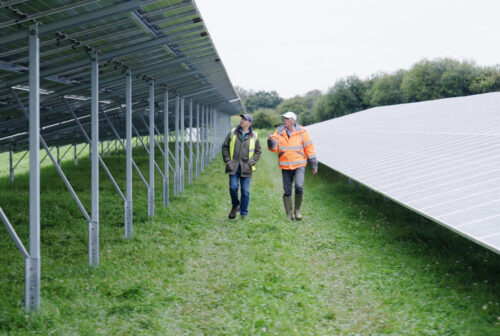
For much of the clean power sector the recent narrative around solar and battery storage has been shaped by grid connections and planning delays, not to mention signals from national Government. Instability in the Middle East has also renewed questions about energy security and the potential for volatility in global fuel markets, reinforcing the case many make for strengthening domestic renewable generation. Against that backdrop, the 2026 local elections in May open a quieter but important front in that story because local politics will remain the front line for how renewable projects move from an initial idea to delivery.
Why does this matter?
The outcome matters greatly because new councillors will become the people making planning decisions that carry real financial and practical consequences. A refusal can expose a council to costs if a developer wins on appeal and it can add long delays for projects that already face tight grid connection windows managed externally by network operators. Early decisions after May are shaped as much by political mood as by planning policy which means developers need to think carefully about the messages they lead with and who those messages are for. In a period where energy prices may again become a national conversation point, the framing around resilience and domestic supply may resonate more strongly with decision makers than it has in recent years.
A shifting landscape
Outside of London, more than 3,000 council seats are being contested in May which given the current political climate, will likely mean significant turnover for planning committees. It’s doubtful that many of these races will hinge on solar or battery energy storage systems (BESS), but the people elected will soon be asked to judge projects that influence how energy developments progress in their area in the near future. For developers this creates a moment where political framing becomes just as important as the technical case.
Reading the room across party lines
A Labour-controlled council may be more likely to respond to arguments about overhauling the energy system and the need to tackle the climate crisis. A Conservative administration might be more persuaded by consistent revenue for the local authority and the stability that comes from a diversified energy mix. The expected rise in Reform creates another shift because climate change messaging will undoubtably resonate less which means developers will need to place more emphasis on local jobs and the need for national energy security if they want new members to feel the project fits local priorities rather than what some describe as bowing to national rhetoric. All of this is before considering the Lib Dems, Greens and the various independent groupings who each bring their own priorities into the mix. Recent geopolitical tensions may also quietly strengthen arguments around domestic energy resilience, which can cut across traditional political lines. While climate motivations remain central for some groups, the idea of reducing exposure to global fuel price shocks may become a more persuasive frame for others.
For developers, the period after polling day is a genuine chance to reset relationships. Newly elected members won’t want technical detail, they’ll want to hear how solar and BESS help them deliver on the promises they have just made to residents. When engagement begins early with messaging shaped around political reality it becomes easier to avoid delay and reduce the risk of projects being pulled into debates that have little to do with their actual impact.
Starting the conversation in the right place
Solar and storage will continue to offer clear benefits for local areas but how those benefits are understood will depend on the people newly elected in May. A grounded approach to engagement can make it easier for councils to work through applications without unnecessary delay. For developers, this election year is less about changing minds and more about making sure the conversation starts in the right place – particularly at a moment when global energy uncertainty may bring renewed attention to the role of locally delivered renewable power.
