The road to the 2026 Senedd election: what we know so far
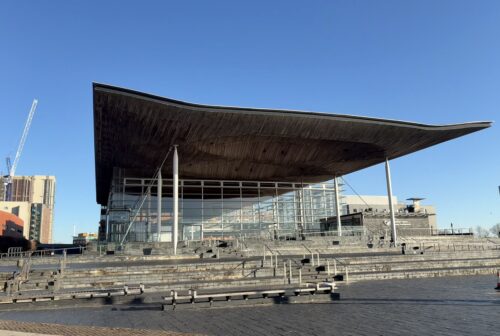
Wales heads to the polls for the next Senedd election in May 2026. It will be one of the most significant political moments since devolution began. The Senedd will expand from 60 to 96 members and adopt a new proportional voting system, reshaping the way representation works and likely increasing the influence of smaller parties.
Below is a snapshot of what has been announced so far and how the political landscape is developing.
Welsh Labour: experience and public services
Welsh Labour enters the campaign after more than two decades leading Welsh government. Under First Minister Eluned Morgan the party is presenting itself as the steady hand that can protect public services while responding to growing pressure on the NHS and the cost of living.
Early pledges include a £4 billion investment programme for new “hospitals of the future”, cheaper bus fares, lower energy bills and a lifelong training guarantee for workers.
The tone so far suggests a campaign focused on continuity and social infrastructure. For sectors such as housing, regeneration and infrastructure delivery, the emphasis on public investment and social outcomes will be familiar territory.
Plaid Cymru: change after long Labour rule
Plaid Cymru is positioning itself as the party of change after Labour’s long period in power. Leader Rhun ap Iorwerth has framed the election as an opportunity to reset Wales’ economic trajectory and improve public services.
While a full manifesto is still to come, early messaging focuses on economic renewal, stronger local economies and improved health outcomes. The party continues to support the long term goal of Welsh independence, although it has indicated this would not be pursued through an immediate referendum in its first term.
Plaid’s messaging around community economies and local investment resonates strongly with place based development and regional regeneration.
Welsh Conservatives: economic growth and infrastructure
Welsh Conservatives early announcements have centred on economic growth and infrastructure delivery.
Proposals include tax reductions, promoting home ownership and investing in major road infrastructure such as the long debated M4 relief road. The party has also criticised elements of Wales’ renewable energy strategy and planning policy.
For the built environment sector this suggests a campaign that may place greater emphasis on private investment, development and transport connectivity.
Reform UK: insurgent politics
Reform UK has become one of the most disruptive forces in the emerging campaign. Its platform includes proposals to cut income tax by one penny, scrap the 20mph speed limit in urban areas and prioritise long term residents for social housing.
The party is also focusing heavily on immigration policy and cultural issues. While Reform’s Welsh infrastructure or housing policies are less developed at this stage, its growing support means it could influence the tone of the wider debate.
The Greens and Liberal Democrats
The Green Party is hoping the expanded Senedd and new voting system will give it the opportunity to win representation for the first time. Early priorities include large scale home retrofit programmes, stronger climate action and rent controls alongside investment in social housing.
The Welsh Liberal Democrats remain a smaller force but have already signalled priorities around healthcare access and rural services.
Both parties are expected to release fuller policy platforms closer to the election.
Polls suggest a fragmented race
Polling suggests the 2026 election may produce one of the most competitive Senedd races yet.
Recent surveys place Plaid Cymru and Reform UK either neck and neck or alternating in the lead.
Other polling earlier this year suggested Plaid could reach as high as 37 percent support, with Labour dropping to historically low levels in some surveys.
Seat projections based on recent polling indicate a fragmented Senedd where no party is likely to command a majority, increasing the likelihood of coalition government.
At the same time, public understanding of the new voting system appears limited. A recent study found around 60 percent of Welsh voters say they do not understand how the new electoral system will work.
What this means for the built environment
For those working across housing, infrastructure, energy and regeneration, the key takeaway is that the direction of policy remains fluid.
Most parties have outlined headline priorities but the detailed policies that shape planning reform, housing delivery and infrastructure investment are still emerging. Over the coming months manifestos will begin to fill in those gaps.
What is already clear is that Wales is heading into a far more competitive political landscape. With a larger Senedd, a new electoral system and polling suggesting a fragmented result, the next Welsh government is likely to be shaped by negotiation and collaboration.
For the built environment sector that means one thing. Staying close to the evolving policy conversation will matter more than ever.
