Rethinking retirement: how downsizing is redefining community and connection
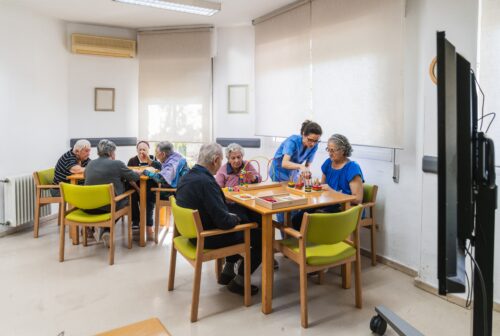
The UK faces two growing dilemmas: the loneliness and isolation of older people and a housing crisis that’s shutting younger buyers out of the market.
Around two million people over 75 live alone and many go weeks without meaningful contact. At the same time, only 39% of those aged 25 to 34 now own their home, down from 59% in 2000. Both generations are feeling the strain, one left without connection and the other without stability.
Redefining what it means to live in the UK requires a new approach that addresses current challenges, unlocks housing opportunities and strengthens communities for older generations.
New models of living are emerging that are reshaping the culture of retirement, offering alternatives such as retirement apartments, supported housing and purpose-built villages. These developments give older people the chance to downsize, remain local and live independently in homes designed to foster connection and community.
The benefits of this approach are clear. Downsizing helps combat loneliness and allows people to move into more manageable homes, freeing up funds to support their retirement lifestyle. These homes often have lower running costs and are located close to transport links and local amenities, helping older residents stay connected and preventing social isolation. Research on retirement communities shows that 90% of residents felt they had moved at the right time in their lives, 6% wished they had moved sooner and 71% saw the move as an opportunity to make new friends.
Meeting Place recently gained first-hand experience of the benefits of later-life community during a consultation event for a care provider. We held a public consultation for club members to support an application for a supported living development on land owned by a local leisure facility.
The facility agreed to sell a small portion of its land to maintain open space while also providing supported living accommodation. The club already serves as a strong community hub, attracting people who value the social side as much as the sport or the facilities.
The project highlighted the importance of community support in later life, receiving 134 letters of support and showing how much older generations value shared spaces.
One resident stated that when people think of a retirement home, they imagine being separated from friends but this care home, situated within the leisure facility, allows residents to remain part of the community they know and value.
The benefits are clear, people can live near those they know and love, avoid loneliness, gain a sense of community and remain in a familiar area.
Policy support will be key to making these new models of retirement living a reality. Local and national government can play a crucial role by updating planning rules to make age-friendly housing easier to build, ensuring retirement developments are well connected to transport, healthcare and community services. Encouraging mixed-use and intergenerational neighbourhoods’ benefits both older residents and younger people struggling to get on the housing ladder. With the right policies in place, retirement housing can become a central part of creating safer, more connected and stronger communities for everyone.
Equally important is a change in mindset across society. Downsizing should no longer be seen as a loss, but as an opportunity for freedom, connection and community later in life. By embracing this shift, older generations can live independently in homes designed for social interaction and accessibility, while younger generations benefit from increased housing availability.
The support we observed through our consultation work demonstrates how understanding the needs of residents can create inclusive and connected environments.
Our organisation specialises in demonstrating the benefits of retirement accommodation like this, helping older people live independently, stay connected to their communities and avoid loneliness. At the same time, these developments allow older people to downsize and free up their former homes, giving younger families the chance to move in.
Essentially making the housing market work better for everyone.
