Key takeaways from the Place North West Industrial & Logistics Conference
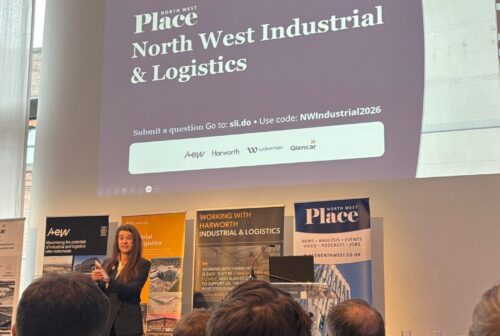
We started the day at the Place North West Industrial & Logistics Conference, and it proved to be a timely and insightful discussion on where the sector is heading, and what that means for developers, planners and communities alike.
A clear theme running through the conference was the scale of change coming to the logistics sector. One of the most significant growth areas identified was defence, with speakers pointing to a substantial pipeline of activity over the coming years. This is expected to have knock-on effects across industrial and logistics development, from location choices to building specifications.
Another major shift on the horizon is the continued increase in warehouse heights. As logistics operations become more technologically advanced, buildings are having to adapt to accommodate new systems and automation. From a consultation and placemaking perspective, this is an important trend to get ahead of. Taller buildings can raise understandable concerns for nearby residents, so early engagement and clear communication around design, mitigation and wider benefits will be essential.
Location-wise, Merseyside and Liverpool were highlighted as areas to watch closely. The consensus was that there are significant opportunities emerging in the region, driven by infrastructure, connectivity and market demand. For those working across the North West, this is likely to be a key geography for industrial and logistics activity in the short to medium term.
The role of data centres also sparked plenty of debate. While there is growing concern about the pressure they place on power supply, speakers were equally clear about the economic and strategic opportunities they bring. The challenge – and opportunity – lies in balancing energy demand with long-term planning, infrastructure investment and community impact.
On the policy front, there was a strong sense that developers are keen to make the most of the current government’s pro-development stance while it lasts. However, this optimism is tempered by concerns that residential appeals could slow down an already stretched planning system, potentially affecting decision timelines across sectors.
Biodiversity Net Gain (BNG) was also part of the conversation, particularly around cost. While the financial implications are clearly felt, there was a shared understanding that BNG can play a positive role in creating better places. When done well, it contributes not only to environmental outcomes, but also to the quality of the working environment for employees and the experience of neighbouring communities.
Overall, the conference reinforced how quickly the industrial and logistics landscape is evolving, and how important it is for developers, planners and consultants to stay ahead of the curve. From building design and location strategy to policy shifts and community engagement, the sector is facing both challenges and opportunities that will shape placemaking for years to come.
